How to Build a Personal Brand That Helps You Get Hired
Before you walk into an interview, speak with a recruiter, or submit an application, people may already have an impression of you. It's shaped by your track record, your online presence, and what others say about you when you're not in the room. That's your personal brand, and it matters whether you work behind a desk, on the tools, or somewhere in between.
Whether you're an engineer building technical expertise, a site supervisor developing a strong track record, or a corporate professional taking the next step in your career, getting that impression right can help you stand out in a competitive job market across Australia and New Zealand.
Personal branding doesn't look the same for everyone. For a marketing manager, it might mean a polished LinkedIn profile and a visible professional network. For a boilermaker or plant operator, it's more likely to be your safety record, your tickets and certifications, and the reputation you've built with supervisors and crews.
This guide covers both.

Why personal branding matters
At its core, personal branding comes down to reputation. The results you deliver, how you treat colleagues and clients, and how you show up, whether that's online, in the office or on site.
For many professional roles, a LinkedIn profile is one of the places an employer or recruiter may look before an interview. Recruitment consultants get to know candidates before putting their names forward. And in trades and technical industries especially, your reputation can travel quickly. A good word from a former supervisor or colleague can carry significant weight.
A strong personal brand doesn't just help with your next role. It can support long-term career growth, whether you're stepping up from operator to supervisor, moving from site-based work into management, building specialist expertise, or relocating for a new opportunity.
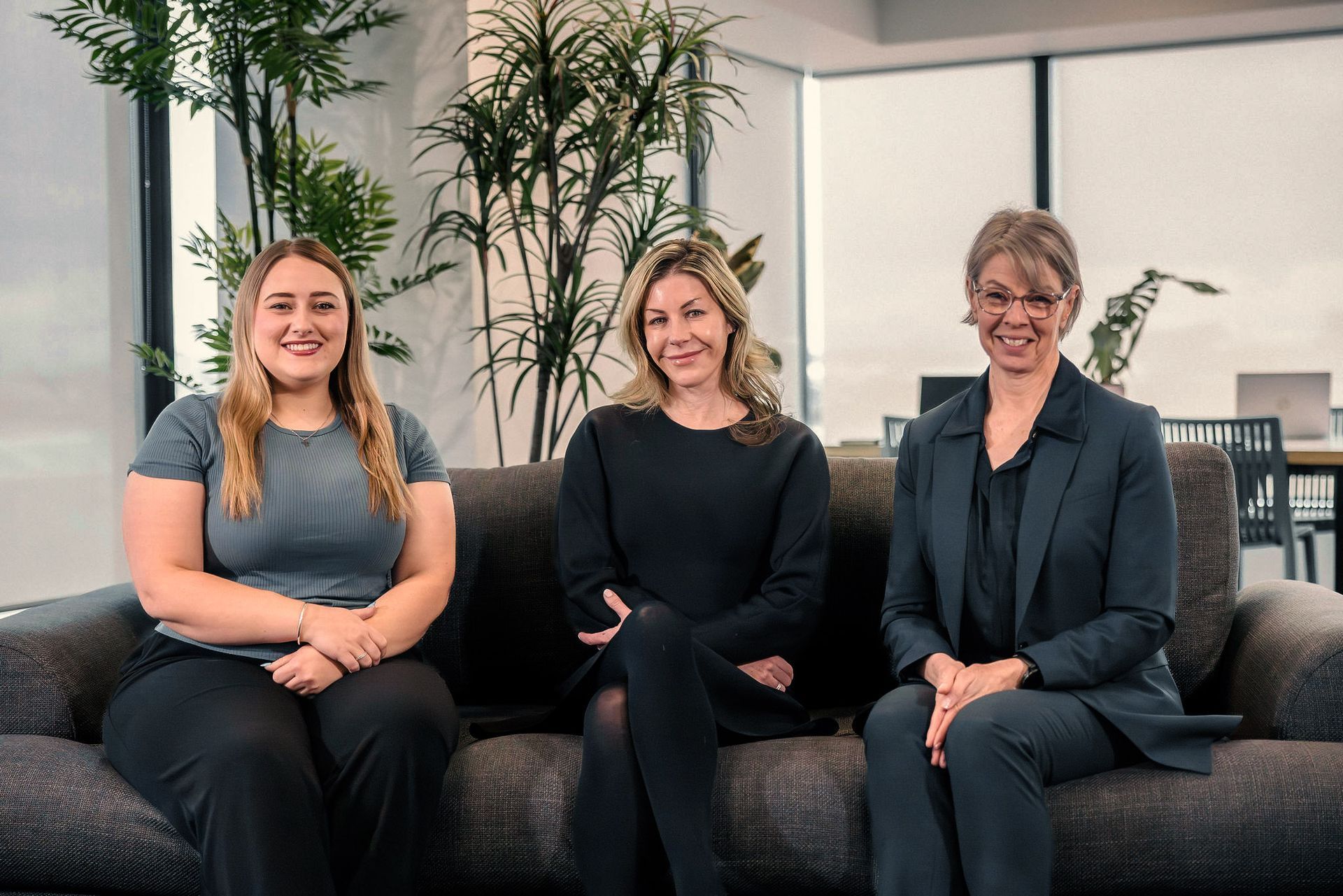
Georgia Mackie, Division Manager at Stellar Recruitment, sees consistency as one of the biggest factors. "Your reputation follows you into every room before you get there," she says. "The candidates who get remembered are the ones who show up the same way every time." That consistency is what builds trust with recruiters, employers and the people you work alongside.
What strong personal brands have in common
Authenticity. People can usually tell when you're being genuine versus performing for an audience.
Consistency. Your reputation should reflect how you work, whether someone encounters you online, in an interview, in the office or on site.
Expertise. Demonstrate what you know through your experience, projects, results, qualifications and the way you contribute to your industry.
Reliability. Follow through on commitments, big and small.
Communication and adaptability. These become particularly valuable when you're working across different teams, sites, stakeholders and cultures.
Technical skills, experience and tickets might get you shortlisted. How you communicate, work with others and build trust can make the difference when it comes to getting hired, recommended or promoted.
What personal branding looks like in 2026
Your digital footprint is easier to create than ever. AI tools can help you draft a LinkedIn profile, improve a CV or generate content ideas, but that makes judgement more important, not less. What you publish should still sound like you and reinforce the expertise you want to be known for.
Credibility beats polish. You don't need to present a flawless highlight reel. A useful lesson from a difficult project or an honest reflection on something you've learned can say more about you than another polished success post.
Relevance beats reach. You don't need thousands of followers to have a strong professional brand. Being known, trusted and respected by the right people in your industry is far more valuable than building a large but unfocused audience.
A step-by-step guide to building your personal brand
1. Audit where you stand
Start by searching your own name. If nothing comes up, that's not necessarily a problem. Think of it as a clean slate.
Set up or tidy your LinkedIn profile, and if you're in a trade or technical role, make sure your SEEK profile and any relevant licence or ticket details are current.
If you already have an online presence, check that it reflects where you are now. Outdated job titles, old contact details or inconsistent information should be cleaned up.
And don't stop at the screen. Are your certifications current? Have you built a strong safety record? What would a former supervisor say if someone called them about you?
In many of the industries we recruit for, those things matter just as much as anything online.
As Georgia puts it, for many candidates, "their brand is built on-site, one shift at a time". The reputation you build with supervisors, colleagues and clients is a career asset, so treat it like one.
2. Define what makes you valuable
Ask yourself, "what do you do particularly well, and what problems do you help solve?"
It doesn't need to be complicated, for example:
- An engineer's edge might be translating complex technical issues into plain language for non-technical stakeholders.
- A site supervisor's strength might be consistently keeping teams focused on safe, efficient project delivery.
- A corporate professional might be particularly effective at turning around an underperforming team.
A useful way to think about it is:
I help [type of team or business] achieve [outcome] through [specific strength or expertise].
You don't necessarily need to publish that statement anywhere. The exercise simply helps you get clear on the value you bring.
Whatever your answer is, it should be true, specific and something you can support with real examples.
3. Create and share meaningful content
You don't need to become a regular LinkedIn poster to build a personal brand. Being visible can be as simple as contributing thoughtfully when you have something useful to say.
Depending on your field, that might mean:
- Commenting thoughtfully on industry news relevant to your sector
- Sharing lessons learned from a completed project
- Posting updates on qualifications, courses or professional milestones
- Asking useful questions or contributing to conversations in industry groups
Consistency matters more than volume. A handful of useful contributions over time can say more about you than posting constantly for the sake of being visible.
And if your work happens on site rather than online, "content" can mean something different. Speaking up at toolbox talks, mentoring junior team members, sharing knowledge with your crew, or simply building a name for being reliable all contribute to your professional reputation.
4. Network with intent
Good networking isn't about collecting as many connections as possible. It's about building genuine professional relationships before you need them.
On LinkedIn, that could mean commenting thoughtfully on someone's work, reconnecting with a former colleague or offering useful insight when you can.
Don't overlook face-to-face opportunities either. Industry nights, conferences and local events can still carry real weight, particularly in sectors such as mining, construction and agriculture, where relationships and referrals are an important part of the hiring landscape.
A good recruitment consultant can be part of your network too. One who understands your industry and takes the time to understand your goals can represent you accurately to employers, particularly in specialised or technical fields where nuance matters.
Georgia's advice is simple: "Be upfront about what you want and where you've been." The better your consultant understands your experience, strengths and ambitions, the better they can advocate for you.
5. Keep track of what's working
You don't need elaborate tools or a personal branding dashboard. A few simple habits can go a long way. Check LinkedIn's built-in analytics occasionally to see which topics or contributions resonate.
Keep a note of career milestones, positive feedback, new qualifications and conversations that have led somewhere.
Most importantly, ask people you trust how you're coming across. A mentor, former manager or recruitment consultant can often give you a clearer view of your strengths and reputation than you can get on your own.
What can get in the way
Doubting your own achievements. It can feel uncomfortable to put your work forward, especially early in your career. Focus on what you can genuinely point to, such as a project delivered, a problem solved or a new responsibility you've taken on, rather than comparing yourself with others.
Keeping the momentum up. A small, regular habit beats an occasional big push. A few minutes each week to update your profile, reconnect with someone in your network or record a recent achievement can be enough.
Taking criticism on the chin. Not all feedback is easy to hear, but how you respond to it is part of your professional reputation too. Take what's useful, learn from it and keep moving.
Your next opportunity starts before the application
Building a personal brand isn't about turning yourself into a product. It's about making it easier for the right people to understand what you're good at, what you stand for and the value you bring.
Whether your reputation is being built on LinkedIn, on site, in the boardroom or across all three, focus on the same fundamentals – do good work, make your strengths visible, build genuine relationships and be consistent.
Ready for your next move? Explore current opportunities with Stellar Recruitment, or connect with our team to talk about where your experience could take you next.